Pre-Construction Checklist for Commercial Projects
Before construction begins, planning sets the tone for the entire project. A clear checklist helps business owners avoid delays, budget issues, and confusion. Strong pre-construction planning leads to smoother builds and better outcomes.
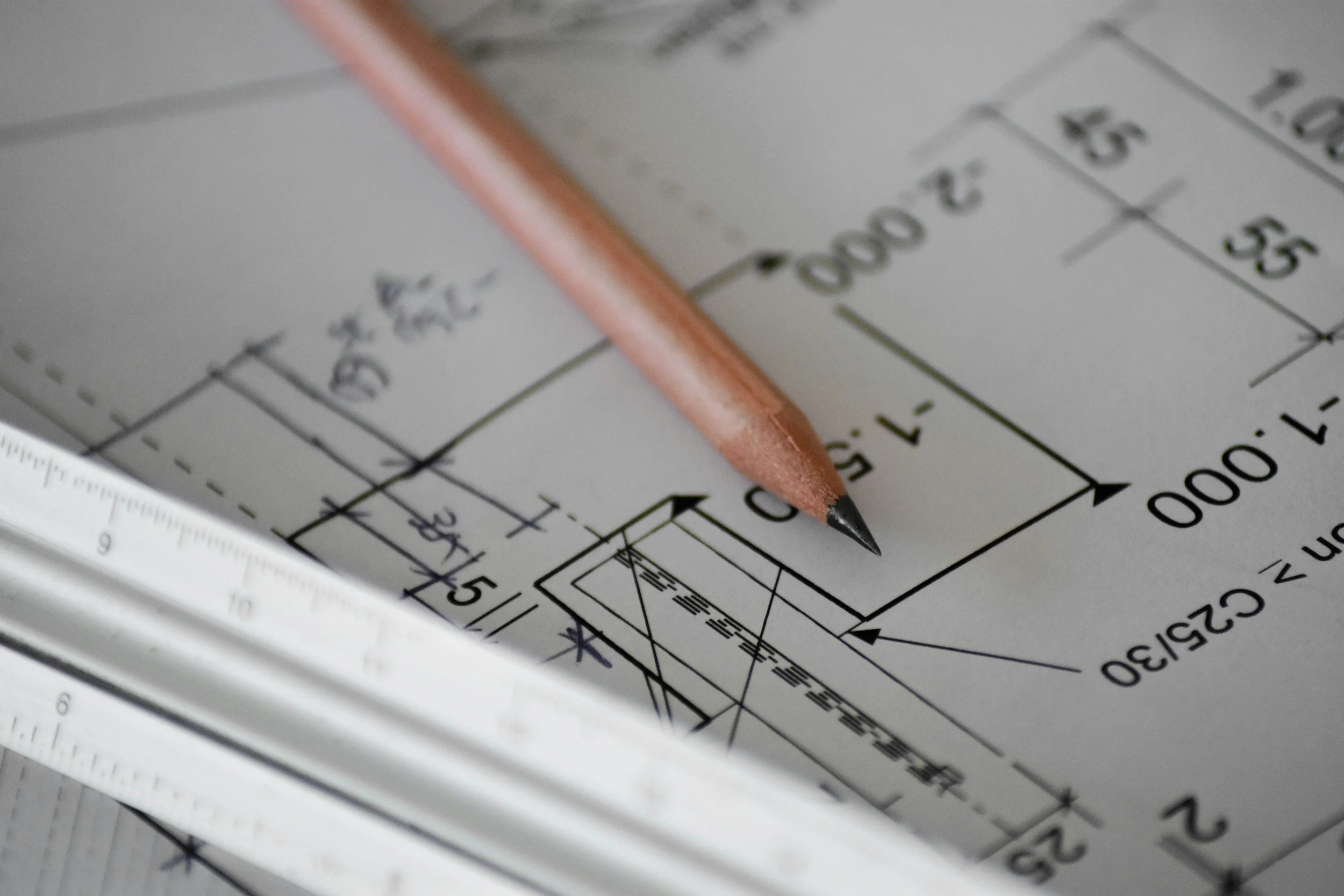
The first step is defining goals. Owners should know how the space will be used, future growth needs, and budget limits. Clear goals help contractors recommend the right design and materials. CRE Construction works closely with clients during early planning to align vision and execution.
Next is budgeting. Accurate cost estimates prevent surprises later. A reliable team reviews material costs, labor needs, and timelines upfront. Early pre-construction planning helps identify savings opportunities without sacrificing quality. CRE Construction provides detailed estimates so clients can plan confidently.
Permits and approvals are another critical step. Missing paperwork can stop progress before it starts. Contractors familiar with local requirements help move applications quickly. CRE Construction manages permitting to keep projects on schedule.
Site evaluation is also important. Soil conditions, access points, and utilities impact construction methods. Reviewing these details early reduces delays once work begins. This phase of pre-construction planning helps teams prepare the right equipment and crew.
Scheduling comes next. A realistic timeline balances efficiency and quality. Good schedules account for inspections, weather, and material delivery. CRE Construction builds schedules that keep work moving without rushing critical steps.
Finally, selecting the right contractor ties everything together. Owners benefit most when contractors are involved early. CRE Construction supports clients from planning through completion, helping projects start strong and finish smoothly.